Qingdao Rinborn Machinery Co., Ltd.
+86 186 6184 7678


RMC Foundry is a China-based manufacturer specializing in precision metal casting and CNC machining for global OEM industries. Our capabilities include sand casting, investment casting, shell mold casting, lost foam casting, vacuum casting, machining, heat treatment, and surface finishing. We produce ferrous and non-ferrous metal parts used in industrial equipment, automotive, pumps, valves, agriculture, construction machinery, and energy applications.
Advanced Manufacturing Capabilities
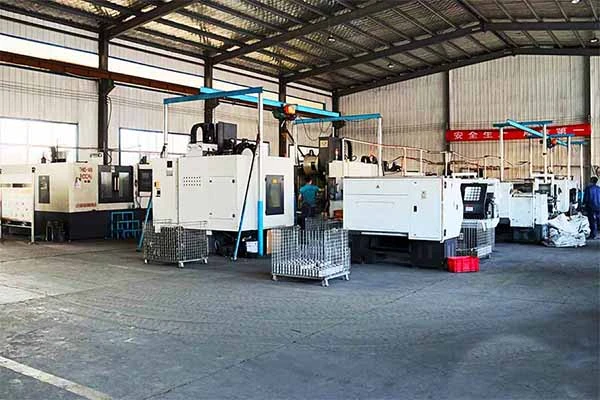
RMC operates integrated casting and machining workshops with modern production equipment and engineering software. This allows us to manufacture complex and high-precision metal parts with stable quality.
Strict Quality Control
Quality inspection is applied from raw materials to final machining. Chemical analysis, dimensional inspection, and process audits help ensure every batch meets customer specifications and traceability requirements.
Flexible OEM Manufacturing
We support custom production based on drawings, samples, or technical requirements. Our engineering team works closely with customers to improve manufacturability and reduce production costs.
One-Stop Production Service
From tooling and casting to machining, heat treatment, surface treatment, and logistics, RMC provides complete manufacturing support to simplify supply chain management for overseas buyers.


|
Item |
Specification |
|
Casting Max Size |
1,000 mm × 800 mm × 500 mm |
|
Casting Weight Range |
0.5 kg – 100 kg |
|
Annual Capacity (Steel Castings) |
2,000 tons |
|
Tolerance Grade (Investment Casting) |
CT4 – CT8 (or as requested) |
Types of Stainless Steel Castings
The stainless steel castings produced by our company mainly include the following types:
Steel Alloy Lost Wax Investment Casting Components
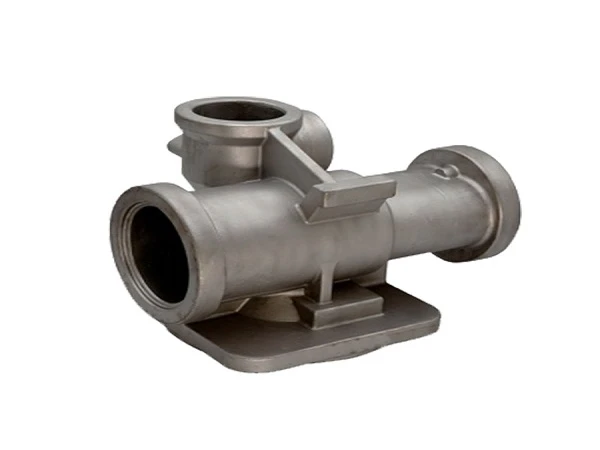
Steel Alloy Lost Wax Investment Casting Components are high-strength, complex metal parts produced by pouring molten steel alloys into ceramic molds created from wax patterns.
Stainless Steel Precision Casting Parts
Stainless steel precision casting parts are high-accuracy, near-net-shape components created primarily through investment casting (lost-wax process), offering excellent corrosion resistance, high strength, and intricate detailing.
Precipitation Hardening Stainless Steel Castings
Precipitation Hardening (PH) Stainless Steel Castings are high-strength Fe-Cr-Ni alloys—notably 17-4 PH, 15-5 PH, and 17-7 PH—strengthened through a specialized heat treatment (solution treatment and aging) that precipitates metal compounds.
Durability
Stainless steel castings deliver excellent mechanical strength and wear resistance, making them well-suited for high-stress, high-impact environments like pump housings, valve bodies, and heavy-duty industrial components.
Corrosion Resistance
The chromium content in stainless steel forms a self-healing passive oxide layer, which protects the surface from corrosion in harsh environments—including chemical processing, marine, and wastewater systems.
Versatility
Stainless steel castings are available in a wide range of grades and microstructures (austenitic, ferritic, martensitic, duplex). This flexibility allows them to be engineered for specific service conditions, such as high temperatures, aggressive chemicals, or sanitary applications.
Hygienic Properties
Stainless steel is non-porous, easy to sanitize, and resistant to bacterial growth, making it the material of choice in food processing, dairy, beverage, and pharmaceutical manufacturing.
Aesthetic Appeal
With its sleek, modern appearance and smooth finish, stainless steel is often chosen for architectural elements, exposed piping, and decorative castings in commercial and public environments.
Applications of Stainless Steel Castings
Aerospace
Flying high in the sky requires materials that won’t falter. Stainless steel fits the bill. Found in engines, landing gear and various other aircraft parts, it’s chosen for its unique combination of strength and resistance to extreme temperatures.
Medical
Tools that support healthcare professionals must be top-notch. Stainless steel is often the go-to for orthopedic implants, surgical instruments and other medical equipment, thanks to its non-reactive nature and ease of sterilization.
Food processing
Ever wonder how our food is processed safely? Stainless steel plays a significant role. Its resistance to food acids and non-reactivity make it a favorite for crafting machinery and tools in the food sector.
Automotive
Vehicles demand materials that can handle the road’s challenges. Stainless steel steps up, offering resilience in engine components, gears and structural elements that face daily corrosion and stress.
Marine
The ocean is beautiful but harsh. Salty waters can wear down most materials, but not stainless steel. That’s why it’s the choice for marine equipment like deck fixtures — parts that face the sea’s relentless corrosion.
Energy
Powering our world is no small feat. Stainless steel components are pivotal in the oil and gas sectors, and they’re equally important in renewable energy systems, ensuring durability and reliability.
General industries
Outside of these specialized sectors, stainless steel’s uses are widespread. It’s in the tools we use, the machines that manufacture goods and even architectural elements that beautify spaces.
Control Humidity
The ideal storage environment has low, stable humidity. Aim for below 50% relative humidity if possible. Avoid storing parts in damp basements or areas with drastic temperature swings that cause condensation.
01
Stable Temperature
Fluctuating temperatures can cause moisture to condense on cold metal surfaces. A stable, moderate temperature is best.
02
Keep Clean and Dry
Store parts off the floor on pallets or shelves. Ensure the storage area is clean and free from corrosive contaminants (like certain chemicals or even acidic wood/cardboard).
03
Protective Packaging
For extended storage or sensitive materials, use VCI (Volatile Corrosion Inhibitor) paper or plastic film. VCI materials release harmless vapors that form a protective layer on the metal surface.
04
Inventory Management
Use a FIFO (First-In, First-Out) system to ensure older stock is used first, minimizing long-term storage duration.
05
Inquiry & Quotation
01
Confirming Details / Cost Reduction Proposals
02
Tooling Development
03
Trial Casting
04
Samples Approval
05
Trial Order
06
Mass Production
07
Continuous Order Proceeding
08
|
Packaging |
Bubble + Carton + Wooden Case |
|
Shipping |
We have long-term partnerships with DHL, UPS, FedEx, TNT, and EMS, and can arrange air or sea freight for large orders. |
RMC was founded in 1999 by our founding team based in Qingdao, Shangdong, China. With its foundry and machining workshop also in Shandong province, we have now grown to become one of the finest metal forming companies with processes of sand casting, lost wax casting (investment casting), shell mold casting, lost foam casting, vacuum casting, precision forging, machining and post-processes such as surface treatment and heat treatment.



(0/10)

